4 Types of Lighting Every Home Needs (And How to Use Them Right)
Lighting does more than brighten a room – it shapes how your home feels and functions. From setting the mood to supporting your daily routines, good lighting is one of the most powerful tools in interior design.
Despite its importance, many homeowners stop at installing a single ceiling light, missing out on the full potential of a well-lit space.
The truth is, good lighting isn’t about one fixture – it’s about layering. No matter your home’s size or style, every space benefits from a thoughtful mix of four essential types of lighting.
Let’s break down what they are and, more importantly, how to use each one effectively.
1. Ambient Lighting
Click on the photo for a full view of the project
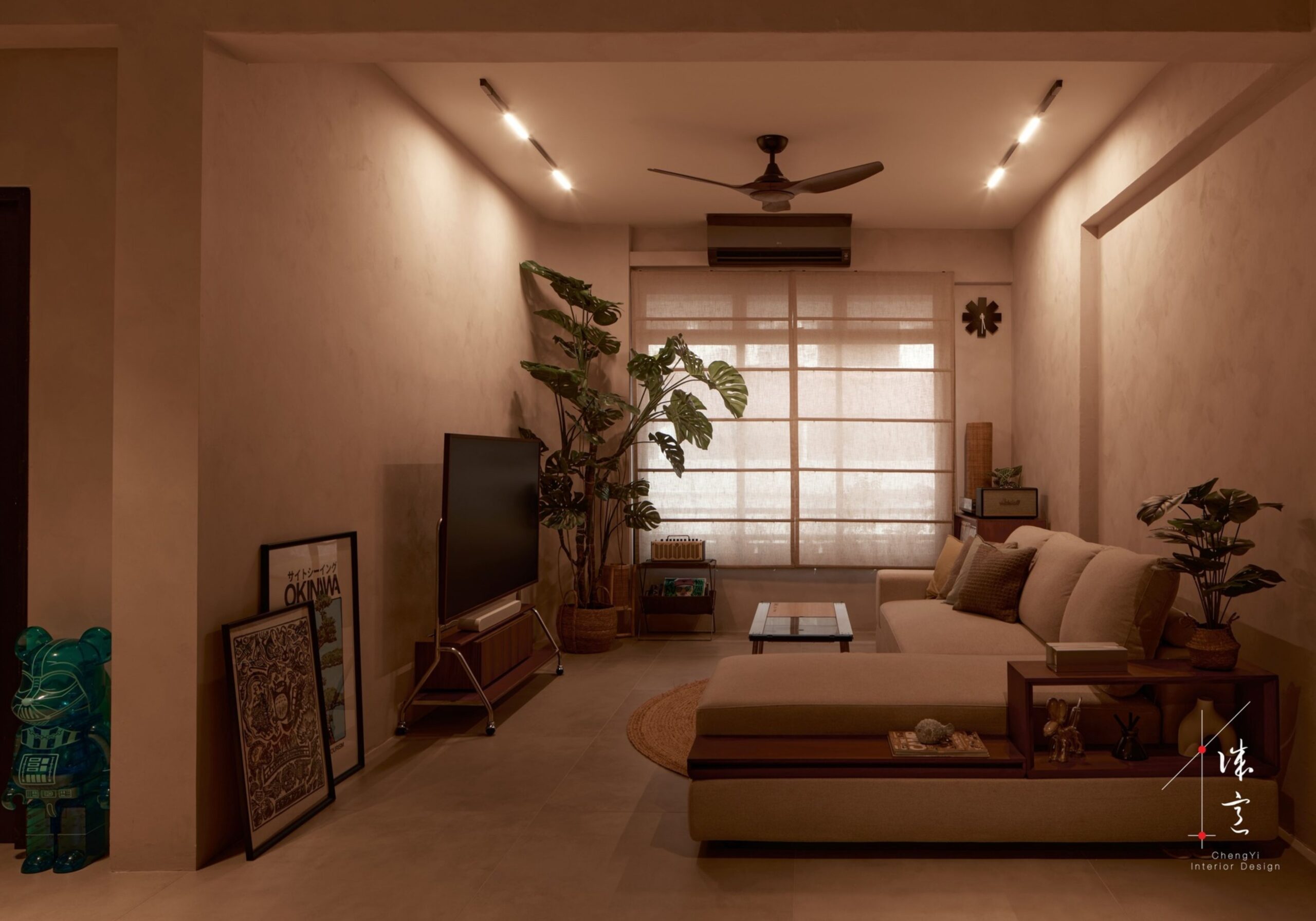
Ambient lighting is the foundation of your room’s lighting plan – it provides overall illumination and sets the tone for the entire space. It’s usually the first light you switch on when you enter a room, ensuring you can see and move around comfortably.
Think of it as the groundwork that helps to layer in other types of lighting.
Examples:
Ceiling-mounted lights (e.g. flush or semi-flush mounts)
Pendant lights
Recessed lighting
Track lighting
Pro Tip:
Use warm white bulbs (2700K–3000K) in living rooms and bedrooms to foster a relaxed, cozy atmosphere.
Cooler white tones (3500K–4000K) are great for kitchens, bathrooms, or home offices where clarity and focus are key.
2. Task Lighting
Click on the photo for a full view of the project
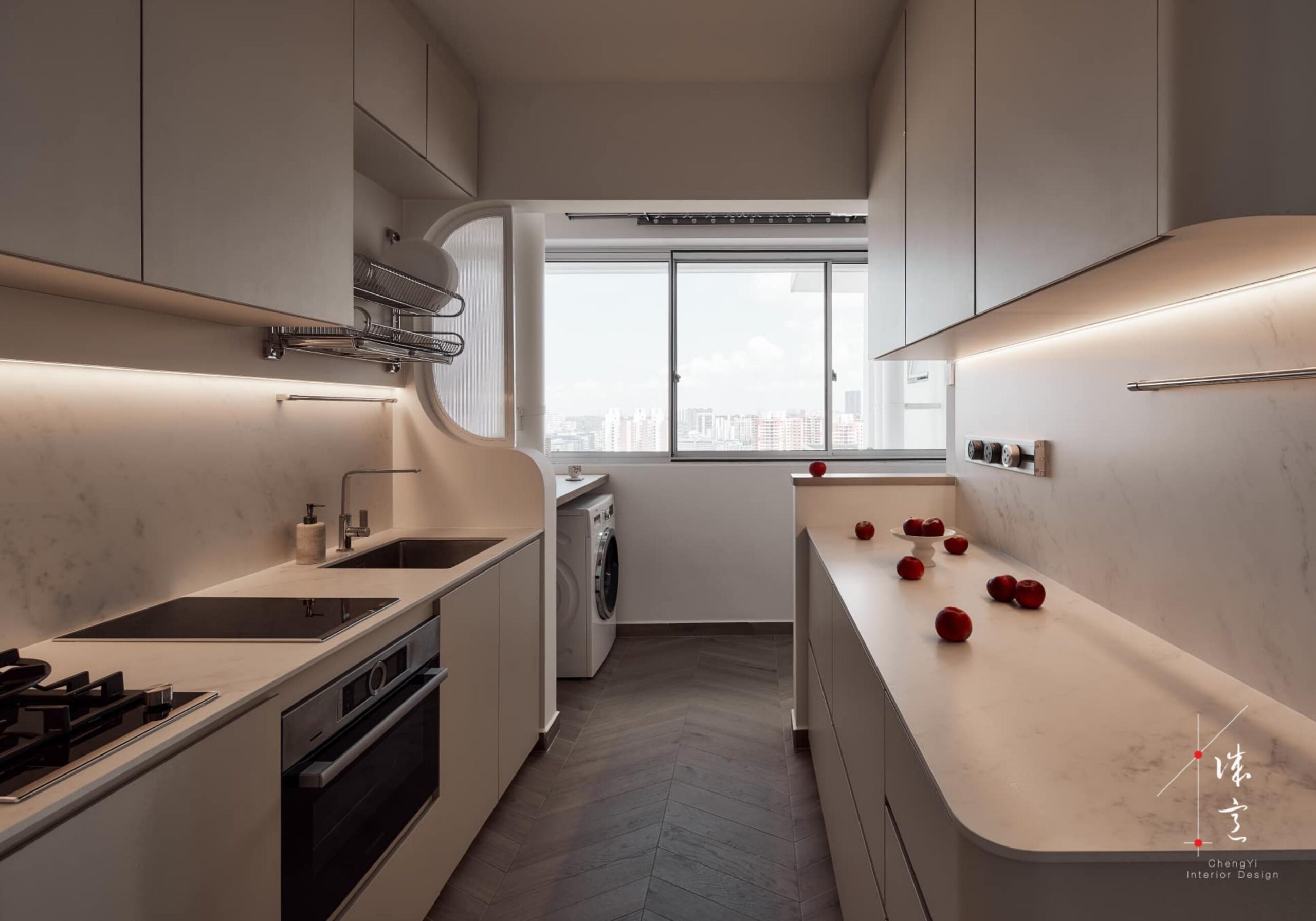
Task lighting does exactly what it says – it lights up specific areas where you need extra brightness to get things done. Whether you’re reading, cooking, or working at a desk, task lighting provides the direct illumination needed to stay focused and avoid eye strain.
Task lighting is perfect for activities that require visual precision. It helps you stay productive and reduces eye strain by providing direct, purposeful light exactly where you need it.
Examples:
Desk lamps
Under-cabinet lighting in kitchens
Vanity lights in bathrooms
Reading lamps or wall-mounted sconces
Pro Tip:
Positioning of task lights are important to avoid shadows and glare. For kitchen counters, install under-cabinet lights near the front edge of the cabinet for better illumination.
3. Accent Lighting
Click on the photo for a full view of the project
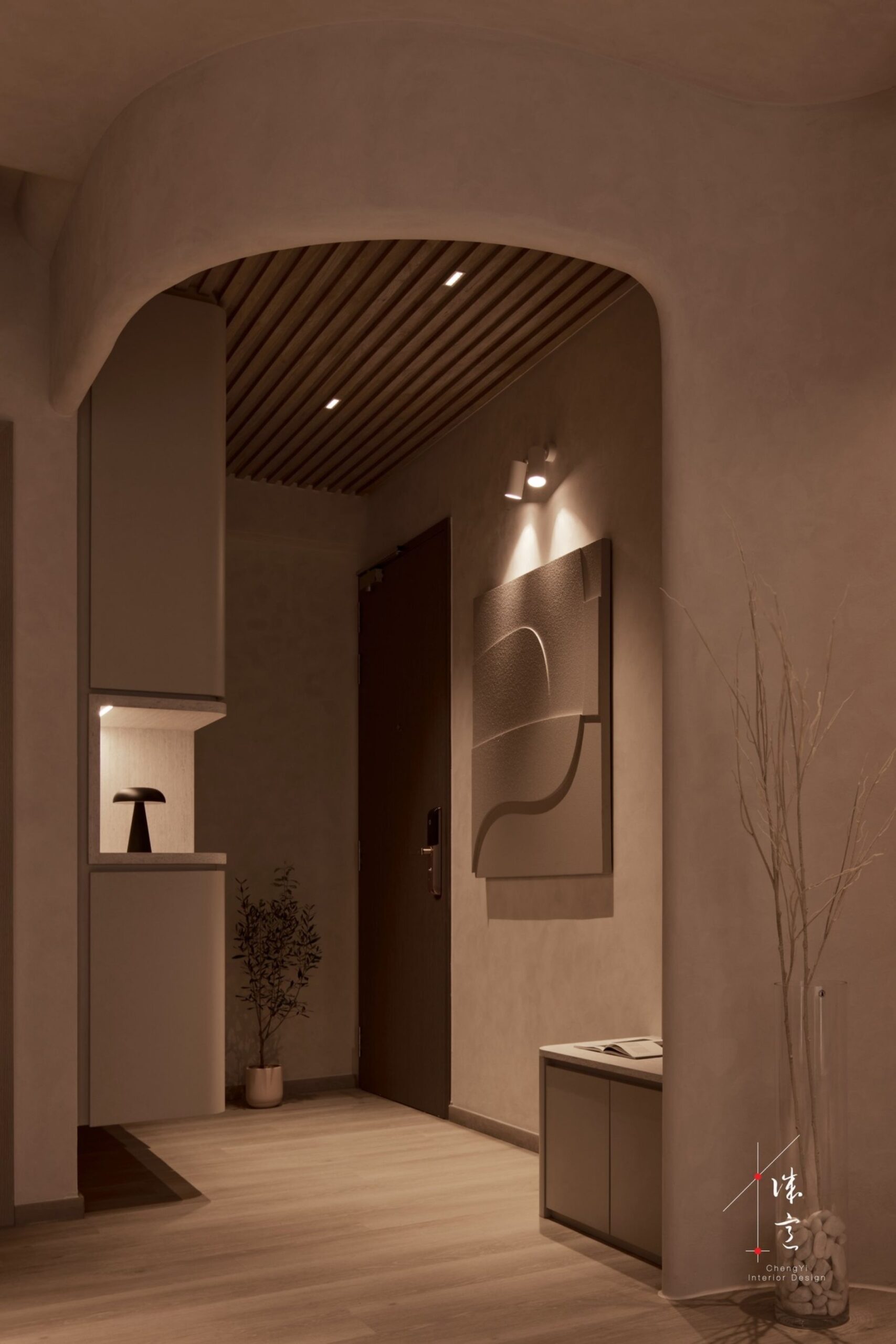
Accent lighting is all about creating visual interest. It draws attention to features you want to highlight. Think architectural details, artwork, shelves, or plants.
While it’s not essential for functionality, it adds dimension, drama, and personality to a space.
Examples:
Picture lights
Spotlights or track lights directed at artwork
LED strip lighting along shelves or niches
Uplighting or backlighting behind décor
Pro Tip:
Use dimmable accent lights to set the mood. Lower intensities create a soft, ambient glow while higher brightness draws more attention to focal points.
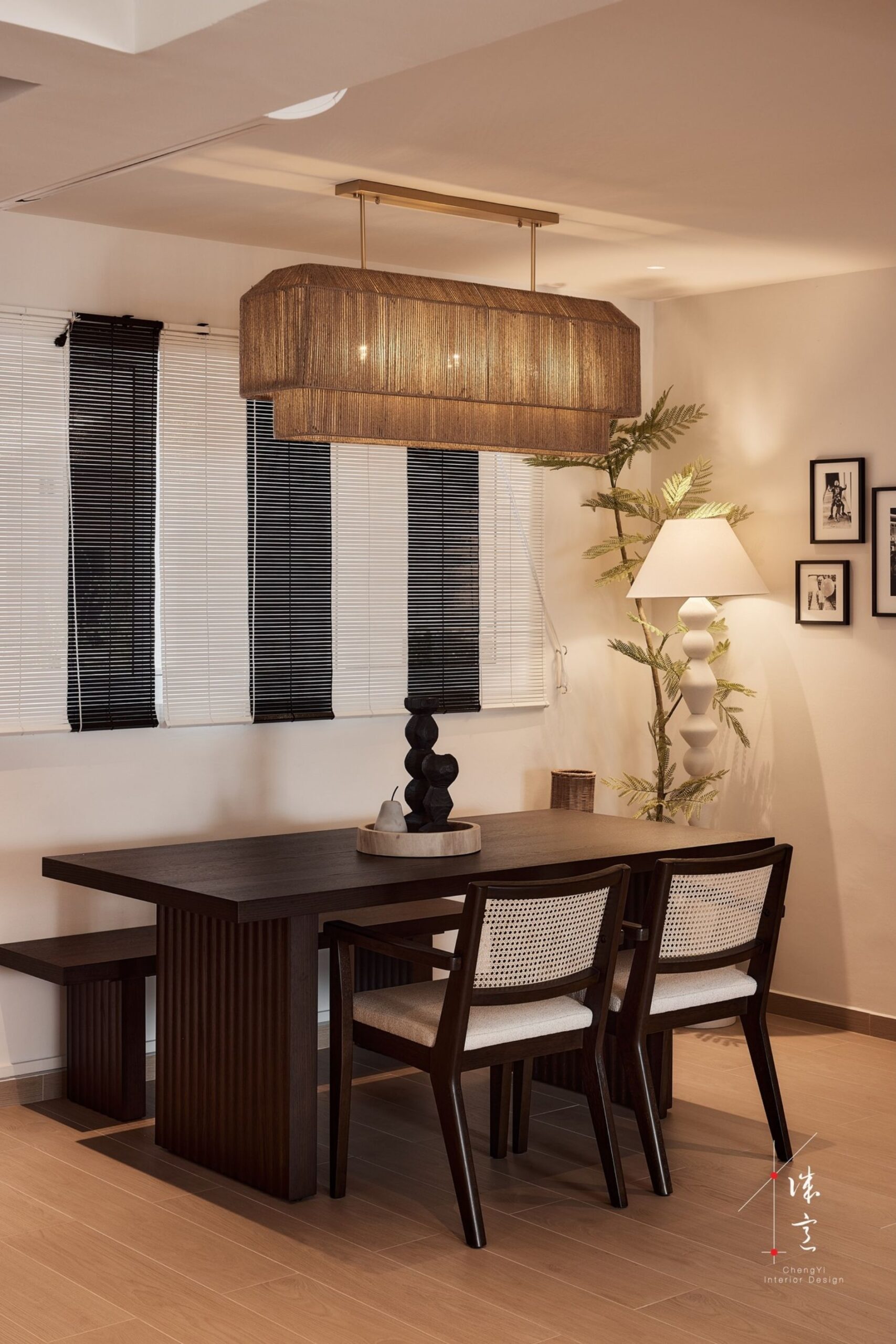
4. Decorative Lighting
Click on the photo for a full view of the project
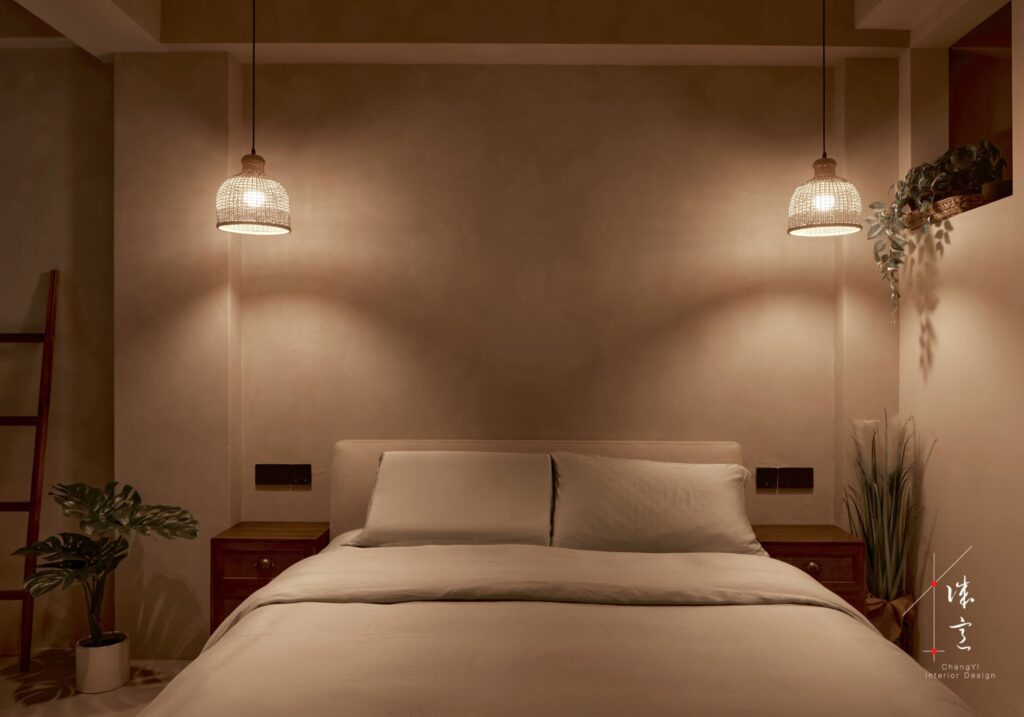
Just as the name suggests, decorative lighting is like the jewelry of your home. It helps to add character, elegance, or even a playful touch, depending on your style. While it provides some light, its main role is to enhance the design.
Decorative lighting is perfect for adding personality and style to your space. It serves as a visual centerpiece or finishing touch that ties the entire design together.
Examples:
Sculptural pendant lights
Ornate wall sconces
Statement chandeliers
Playful or themed lamps
Pro Tip:
Let decorative lighting complement, and not compete with your other light sources. It should enhance your space without overwhelming it. Think of it as the finishing touch that brings everything together.
The right lighting doesn’t just brighten your home – it brings it to life.
By layering ambient, task, accent, and decorative lighting thoughtfully, you can create a space that’s not only functional, but also full of warmth, personality, and atmosphere.
After all, it’s not just about how your home looks – it’s about how it feels.